

Remember him when you...
…are in the mood for wine … got algae on your plate …are picking apricots …smell the flowers …are walking through the trees …grow plants …pet the cat …the grain is ripening …eat hummus …eat honey…take care of animals …are going mushroom picking …travel …are sick …are learning …travel and pay …are collecting money …your flowers are wilting
Remember him when you...you're in the mood for wine
Mendel in the vineyard
Have you ever tasted the Pálava, Aurelius or André varieties? All of them originated in our region - in Velke Pavlovice and Perná. Without grapevine breeding, we would not have the wines that are renowned all over the world today. And it would be difficult for winemakers to breed without knowing the laws of heredity of J.G. Mendel. He himself researched vines - he even had an experimental vineyard in the monastery.
Better wine thanks to Czech scientists
Current research at our university is also looking for ways to help winemakers. Although Mendel worked mainly with plants in his discoveries of the laws of heredity, his discoveries also help us to understand the world of micro-organisms. Both those that are harmful and those that can destroy pests. And this is very important in the vineyards, where we are looking for ways to protect the vines. At the moment, we are trying to get micro-organisms that can deal with pathogenic fungi on 'their side'.
Is that your cup of tea, too?
Become an expert in grape growing and grape processing! The Horticultural Engineering - Viticulture and Enology program is right for you.

doc. Mgr. Miroslav Baránek, Ph.D.
Mendeleum – Institute of Genetics and Plant Breeding
Faculty of Horticulture
His research focuses on epigenetics, which deals with special aspects of heredity that cannot be explained by classical mendelist approaches. He also works on DNA analyses that can identify varieties or optimise the management of horticultural gene pools. Last but not least, he also focuses on the practical use of DNA markers in the process of plant breeding, e.g. to control the genetic purity of vegetable seeds or for the selection of desired genotypes based on Marker Assisted Selection.
Remember him when you... got algae on your plate
Mendel in the green future
Single-celled green algae - they are small in size, but their importance is increasing all the time. Do you indulge in a "green" food supplement or a gelatin cake once in a while? Algae can now be found on the plate not only for humans, but also as animal feed. Last but not least, they are a source of valuable substances for the pharmaceutical industry.
We could not do without them in wastewater treatment either. Even designers are interested in green organisms, and today we can sit on a chair made of algae. There are also high hopes for their use as a new generation of biofuels. Perhaps we will see a time when planes will fly on algae fuel. Mendel probably never dreamed of this, but modern research is also based on his laws.
Little superheroes
Thanks to modern methods, editing the algal genome is now relatively simple. This allows scientists to understand gene function and hidden evolutionary mechanisms. The results of their work can then affect everyone's life. Knowledge of algae allows us to produce healthy food, medicines or biofuels more efficiently. One of the research projects at our university is exploring the use of microalgae to remove toxic substances from wastewater. This can make the environment we live in cleaner and healthier. Thanks in part to algae and "their" scientists.
Is that your cup of tea, too?
Wondering how far eyelashes will take us in the future? Come visit us at the Department of Chemistry and Biochemistry and become a member of the research team.

Ing. Dalibor Húska, Ph.D.
Department of Chemistry and Biochemistry
Faculty of AgriSciences
He leads the Plant and Microalgae NanoBiotechnology Research Group, which addresses the challenges of modern agriculture in today's world: protecting natural resources for future generations, increasing crop yields without expanding farmland, and reducing environmental damage. For example, our scientists are exploring the use of nanomaterials as pesticides and fertilisers, or the importance of microalgae for the food and pharmaceutical industries, and their cultivation in space.
Remember him when you are… picking apricots
Mendel in the orchard
Do you like the taste of apricots? And did you know that in the gene pool collection at the Faculty of Horticulture in Lednice you will find almost 400 items from all over the world? Mendel's laws help us to breed apricots that have a longer harvest, are resistant to frost or parasites. The current challenge is also to breed varieties with a low requirement for the cold season. Apricots also have to cope with climate change. The breeding programme in Lednice has a tradition dating back to the time of the Austro-Hungarian monarchy and we have given the world, for example, the Betinka and Leskora varieties.
For longevity and comfort in the exam period
Do you know what to eat during the exam period?Other than apricots - they help with drowsiness, depression, nervousness and improve eyesight, among other things.
Have you heard of the Hunza people from the mountains on the border of northern Pakistan and India? They live up to 120 years. Scientists cite a diet rich in apricots as one reason for their longevity. The fruit is not only on their plates every day, but also determines the economic level of the family.
Is that your cup of tea, too?
Learn more at the Faculty of Horticulture at MENDELU in Lednice.
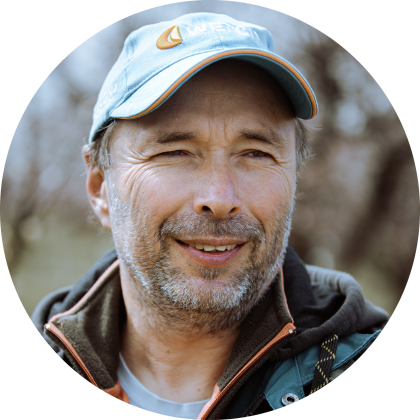
Ing. Tomáš Nečas, Ph.D.
Department of Fruit Science
Faculty of Horticulture
In his research he deals with the breeding of fruit species, either using mendelistic methods or modern methods such as molecular markers. An integral part of fruit variety breeding is the study of performance and trait inheritance of a wide range of genetic resources of fruit species and varieties. An equally important breeding activity is the selection of native and introduced species and varieties for the expansion of the range of fruit crops grown, precisely in view of ongoing climate change and the migration of invasive pathogens.
Remember him when you…smell the flowers
Mendel among the flowers
When was the last time you made someone happy with a flower?It was beautifully colourful and colourful thanks to Mendel. We use his laws in plant breeding and cultivation. The Czech Republic is an important centre from which new species are spreading around the world. In 2020 alone, our university has applied for protection rights for 3 varieties of aster with high resistance to fusarium wilt.
Preserving plant treasures
Not only money, but also treasures in the form of seeds may be deposited in the bank. In our university genebank we ‘back up’ the genetic resources of important plants. It is unique in that it contains not only useful plants, but also valuable varieties of flowers and medicinal plants. Yarrow, liquorice, asparagus, horseradish or 256 species of annuals. They are all well hidden here - for scientists and future generations.
Is that your cup of tea, too?
At the Department of Vegetable Growing and Floriculture at the Faculty of Horticulture, we are experts in plant breeding and cultivation using modern hydroponics, aeroponics or aquaponics. You too can become one of us.
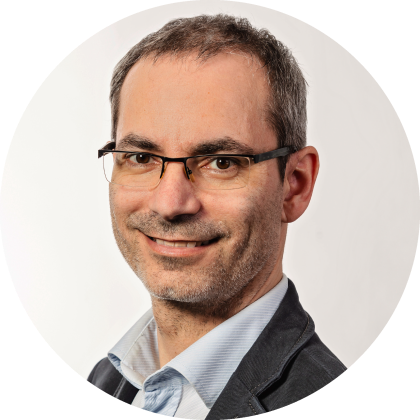
prof. Ing. Robert Pokluda, Ph.D.
Department of Vegetable Growing and Floriculture
Faculty of Horticulture
His research specializes in the innovation of vegetable production technologies, disease and pest control, modern greenhouses, hydroponic and aquaponic facilities, and the use of bioadditives (symbiotic bacteria and mycorrhizae).
Remember him when you…are walking through the trees
Mendel in the forest
The forest is the top developmental stage of the terrestrial ecosystem. It has a major influence on the water cycle and climate, which is currently changing rapidly. That is why we need the forest to be resilient. Our Earth has evolved over 4.5 billion years. The last 10 000 years, and especially the last 2000 years, have been very stable climatically. In contrast, the last 20 to 40 years have been quite unstable, and this is because we as humanity have high energy demands and emit a lot of pollutants and greenhouse gases into the atmosphere. This is what is causing climate change, with extreme temperatures, droughts, torrential rain and hurricanes.
For a greener future
Foresters have to think a long time ahead. A tree planted today will not be mature for 100-120 years. That's why they use data from long-term observations of forest stands, experimental results and model predictions for the future. The structure of the forest has to be adapted to both the environmental conditions and the requirements of the company or the owner. This is not easy, because even tree species adapt to change and stress, literally changing in many of their characteristics under their own hands. Plants have no choice but to adapt to changing conditions, because they cannot move like humans.
Is that your cup of tea, too?
Come and study forestry at the Faculty of Forestry and Wood Technology! You too can influence the future of our planet's forests and climate.

doc. Ing. Radek Pokorný, Ph.D.
Department of Silviculture
Faculty of Forestry and Wood Technology
Radek Pokorný deals with forestry in the field of forestry, forest stand structure, carbon forestry, water balance of forests and adaptation measures in the context of climate change. In the long term, he is more specifically concerned with the phenology, morphology and eco-physiology of forest tree species, focusing on the spatial and temporal allocation of growth, stand water balance and transpiration of trees in relation to habitat conditions.
Remember him when you…grow plants
Peas are still in vogue today
Like Gregor Johann Mendel, scientists are now using the pea plant for their experiments. For example, they are investigating how to regulate stem branching in plants - this can be useful not only for fruit trees and vines, but also for ornamental plants and cereal crops. A key role in stem branching is played by the hormone auxin, which "flows" from the top of the plant to the roots. It determines whether the lateral buds of the plant remain dormant or wake up and form a shoot. It even influences how strong these shoots will grow. It decides whether the plant will send its strength to the fruit or to the leaves.
But it's more complicated...
At the same time, the PIN proteins, which constantly travel between the surface and the inside of the cell, and the plant hormones strigolactones are also at play. These three elements interact with each other. Auxin blocks the movement of PIN proteins from the outside to the inside of the cell, thus promoting its own movement. Strigolactones, on the other hand, limit this effect of auxin.
Is that your cup of tea, too?
Would you also be interested in exploring the mysteries of plants? At the Department of Plant Biology of our Faculty of AgriSciences, this dream can come true.

Ing. Jozef Balla, Ph.D.
Department of Plant Biology a CEITEC MENDELU
Faculty of AgriSciences
His research addresses apical dominance and regulation of stem branching, where the plant hormone auxin plays a key role, and its interaction with cytokinins and strigolactones from other hormones important in plant life. A deeper understanding of the nature of the mechanism of plant branching regulation at the cellular and molecular level has enormous potential for application in agriculture. Regulating the shape of fruit trees or vines to achieve optimal yields requires high manual labour costs, and the same is true for the shaping of ornamental plants.
Remember him when you…pet the cat
Mendel Animal Protection
Did you know that there are two species of felines in the wild in the Czech Republic? They are the lynx and the wild cat - animals that live in hiding, which is why scientists rarely see them. How is it possible to find out more information about their lives when the living space of such a male lynx is larger than the area of today's Prague? One of the possibilities is so-called satellite telemetry - the animal must be captured, a telemetry collar with a built-in GPS should be attached to it, and then we can simply track the movement of a particular beast in the study area. This way, however, you only get information on a few individuals.
Conservation genetics on the trail of the beasts
Conservation genetics, on the other hand, uses information that scientists obtain from the DNA of felines. A DNA sample can be obtained from hair, excrement or urine, i.e. without direct contact with the animal. From the DNA, scientists can determine the genotype, or genetic "fingerprint," of an individual. It is made up of a set of genetic markers, called microsatellites, which follow classical Mendel's laws of inheritance. Based on this, it is then possible to find out how many animals live in the area, how many males and females there are, and what their relationships are. Conservation genetics helps to unlock the secrets of the lives of these hidden animals. To know what they need, what threatens them, so we can better protect them.
Is that your cup of tea, too?
Follow in the footsteps of the feline beasts and discover their mysterious life. Find out more at the Faculty of AgriSciences at MENDELU.

Mgr. Jarmila Krojerová, Ph.D.
Department of Zoology, Fisheries, Hydrobiology and Apiculture
Faculty of AgriSciences
Jarmila Krojerová's research focuses on the ecology and conservation genetics of endangered mammal species, including wild felines such as the lynx and wildcat. Using molecular genetic methods, she investigates how their populations function, what factors threaten them and how to effectively protect them to preserve them as part of our fauna for future generations.
Remember him when you…the grain is ripening
New wheat varieties - more resistant and more colourful
Demands for new cereal varieties are much higher than in the past. Newly bred varieties will have to deliver in the future not only economic profit and quality. They must also be more resistant to stress factors such as drought, various diseases and pests due to changing climatic conditions. The process of breeding a single variety is a long one, taking more than ten years.
A hero named Jumiko
Scientists from MENDELU were part of the team that succeeded in breeding the first purple Czech variety of winter wheat. The variety called AF Jumiko is suitable for food and feed purposes. Apart from the traditional processing of flour for bakers, it can be used in the production of flakes or pasta. It gives its products a characteristic colouring which, for example, resembles chocolate-dipped cereals. Thanks to the colours it contains, the cereals are more resistant to extreme temperatures, drought and salinity. Colours also play an important role in resistance to fungal diseases, for example. In addition to purple wheat, scientists have also bred a variety with blue (AF Oxana) and black grain (AF Zora), or are looking at combining the different colours, including yellow grain.
Is that your cup of tea, too?
Department of Plant Biology is the right place for researching biological processes in plants and breeding new, more resistant and even more colourful plant species.
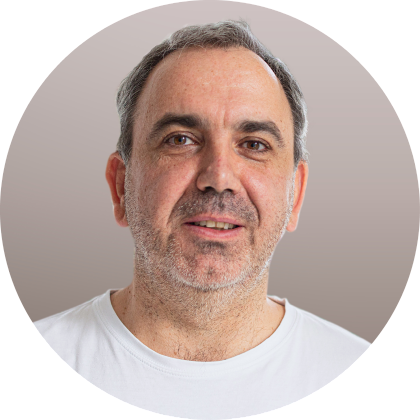
doc. Ing. Tomáš Vyhnánek, Ph.D.
Department of Plant Biology
Faculty of AgriSciences
His research focuses on the study of genetic variability of DNA in the context of genetics and plant breeding, food science, i.e. "from DNA to fork". Apart from the application of DNA analysis in cereals, he is also interested in the use of DNA analysis in collaboration with practice, e.g. in cannabis, medicinal plants, vegetables, but also in the identification of plant pathogens such as viruses, phytoplasmas or fungi.
Remember him when you…eat hummus
Chickpeas as the food of the future
Chickpeas or Roman peas are one of the most delicious legumes. It has long been a staple of plant-based diets, but thanks to its composition, taste and interest in dietary diversity, it is one of the most commonly eaten foods. Chickpea seeds are one of the highest quality legumes suitable for human consumption. They are not only a rich source of protein with significant amounts of essential amino acids and carbohydrates, but also a source of minerals and vitamins. They also contain some potentially health-promoting substances that can reduce the risk of chronic diseases.
Growing in our conditions
It suits a warmer climate and is relatively drought tolerant. However, it can also be grown in temperate conditions, i.e. in central Europe. In view of rising temperatures, climate change and the longer-term decline in soil moisture in the Czech Republic, it appears to be a suitable alternative to the crops grown today. The positive effect of growing chickpeas, and other legumes, can also be seen in the quality of the soil, which is why they are a popular rotational crop. Our scientists are working on the development of new varieties to be grown in our region for our climatic conditions, which would ensure a stable yield and avoid losses, which occur mainly at the time of emergence and flowering.
Is that your cup of tea, too?
If you too are interested in what precedes the actual breeding of plant species more resistant to climate change, come and study at the Department of Plant Biology at the Faculty of AgriSciences.

Ing. Veronika Sedláková
Department of Plant Biology
Faculty of AgriSciences
Her PhD research focuses on the study of seed development and seed dormancy induced in chickpea seeds. The loss of seed dormancy is considered a key domestication trait in legumes, and therefore elucidating the genetic basis of this phenomenon will be essential for the subsequent development of new varieties. Using molecular biological methods, the identification of genes related to seed dormancy is being addressed.
Remember him when you…eat honey
Mendel the bee breeder
Mendel became famous for his hybridization experiments on plants, on which he described the basic principles of heredity. What is less well known is that he also worked with animals and tried to breed them. His great hobby was bees, which he also bred at his monastery in Old Brno. He undoubtedly noticed their great usefulness and their important role in agriculture.
Modern bees - more resilient and protected
Genetic diversity of bees is also being addressed by our scientists. It is an important ability of a species to adapt to ever-changing environmental conditions. Whether these changes are linked to global warming or the increasing pressure of harmful pathogens and chemical residues from human activity. Scientists study this diversity using modern genomic laboratory methods based on DNA analysis. And it's not just bees - they also want to contribute to the conservation of endangered species where knowledge of the genetic structure of the threatened population is essential, such as the stone crayfish. They are also using DNA structure analysis to determine otherwise difficult to identify species, especially insects. Without these approaches, which Mendel laid the foundations for, modern conservation of endangered species would not be possible today.
Is that your cup of tea, too?
If you want to learn the methods of studying the genetic diversity of animals using the latest genetic approaches and contribute to the conservation of endangered species, come and study in our laboratories at the Department of Animal Morphology, Physiology and Genetics.

prof. RNDr. Aleš Knoll, Ph.D.
Department of Morphology, Physiology and Animal Genetics
Faculty of AgriSciences
His research focuses on the study of genetic variability of animals at the DNA level in order to determine the genetic diversity of populations, the expression of selected genes and their relationship to important phenotypic traits, the determination of species using mitochondrial and nuclear DNA, all using modern laboratory molecular genetic methods, especially sequencing.
Remember him when you…take care of animals
Nanopower in zinc and clove
The post-antibiotic era is still full of challenges for many scientific teams. MENDELU scientists are heading in several directions in their research. Nanomaterials, which can contribute to the replacement of antimicrobial agents by their properties, seem to be very promising. They focus their attention specifically on zinc nanoparticles. Zinc itself has antimicrobial properties. In addition, if scientists prepare a zinc nanoparticle, the antimicrobial properties are multiplied, and they can use a smaller dose that minimises side effects. Another way is to use natural antimicrobials based on essential oils. Our ancestors already knew that cloves, thyme or garlic, for example, have medicinal properties.
In the tummy like in the room
In their research, scientists are focusing on the targeted transport of active substances using a transport particle that can release these substances at their destination - in the small intestine. Thanks to this complex solution, they are able to eliminate pathogenic microorganisms that cause unpleasant losses for pig and poultry farmers.
Is that your cup of tea, too?
Do you want to become an expert in nanomaterials in animal nutrition? Department of Animal Nutrition and Forage Production is the right place to find out.

doc. Ing. Pavel Horký, Ph.D.
Department of Animal Nutrition and Forage Production
Faculty of AgriSciences
Pavel Horký deals with the replacement of antibiotics in livestock using natural substances and nanotechnology. He also works on mycotoxins and feed safety. Recently, his research group has focused on the development of smart technologies in livestock farming.
Remember him when you…are going mushroom picking
Viruses can also cause damage to mushrooms
Gregor Mendel laid the foundations of modern genetics and molecular biology long before genes were discovered. Since then, the work of scientists in laboratories has gone much further and deeper. Milica Raco's research focuses on the study of plant pathogens and on the highly specialised field of virology - mycovirology, i.e. the study of viruses in fungi and oomycetes. Mycoviruses have been discovered in many major taxa of fungi and some oomycetes. In general, infection by these viruses is hidden without measurable impact on their hosts. However, there is now increasing evidence that some mycoviruses can induce hypovirulence of host pathogens, i.e. reduce their virulence. This makes infected pathogens less aggressive and reduces their ability to infect, colonise, kill and/or multiply in susceptible host plants. This opens up the possibility of using mycoviruses in biological methods of plant protection in agriculture and forestry.
Tracking pathogens
However, the presence of viruses has not yet been investigated in many species of fungal and oomycete plant pathogens. Milica Raco is therefore researching fungal and oomycete viromes, describing new virus species and then investigating their impact on the host, primarily using next-generation RNA sequencing. Currently, her research is focused on viruses in oomycetes of the genus Phytophthora. Representatives of the family Phytophthora are plant pathogens that cause significant damage in agriculture, horticulture and forestry.
Is that your cup of tea, too?
Are you interested in fungal viruses too? Do you want to research how to protect plants in agriculture and forestry? Find out more at the Department of Forest Protection and Wildlife Management
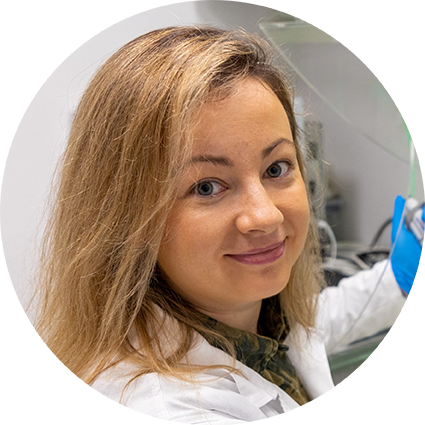
Ing. Milica Raco
Department of Forest Protection and Wildlife Management
Faculty of Forestry and Wood Technology
Her research focuses on the study of plant pathogens and on a highly specialized area of virology - mycovirology, i.e. he studies viruses in fungi and oomycetes. In general, infection by these viruses is hidden with no measurable impact on their hosts. Milica Raco studies the virome of fungi and oomycetes, describing new virus species and investigating their impact on their hosts. Her current research focuses on virus research in pathogens of the genus Phytophthora.
Remember him when you…travel
Mendel for safe travels at home and abroad
When traveling domestically and abroad, it is important to always keep Gregor Mendel in mind in relation to travelers' diseases. Our particular genetic make-up makes us more resistant to travel sickness agents at home than abroad. Particularly in remote, exotic countries, numerous unknown health risks lurk for travellers, which are often underestimated and overlooked. Our natural immunity is conditioned by genetic adaptation, which takes place through repeated contact with a small number of pathogens in a given region. In health-risk areas, resistance to common local pathogens develops within two years. This process is also reversed - people staying in the country for more than 2 years gradually lose their natural resistance to pathogens in their home countries. Therefore, when travelling and staying abroad for work, study and research, it is necessary to take these risks into account and pay increased attention to the prevention of health complications.
Safer travel
The team led by Prof. Pavlík studies the occurrence of selected bacterial pathogens in the Czech Republic and abroad with regard to the risk of infection in children and adults. Their research focuses on sources of infection represented by fish and other animals in freshwater and marine environments, natural peat bogs, guano from bats and birds, garden products made from them, soil, dust and other components of the surrounding environment. The research team is using molecular genetic methods to study the abundance, species composition and genetic makeup of selected bacterial agents of pulmonary and extrapulmonary diseases. Using methods that study the DNA of these pathogens, they also determine their susceptibility to drugs, including antibiotics. They then combine geochemical methods with socio-demographic and geographical analyses, supplemented by the opinions of travellers, doctors and local residents to assess the risks of staying at home and abroad. Their comprehensive knowledge helps to improve awareness of prevention and health complications in all forms of tourism and other leisure activities.
Is that your cup of tea, too?
Do you want to become a detective and look for health risks for travellers at home and abroad? Do you want to learn how to prevent health problems in different forms of travel and leisure activities? Come and study at the Faculty of Regional Development and International Studies.
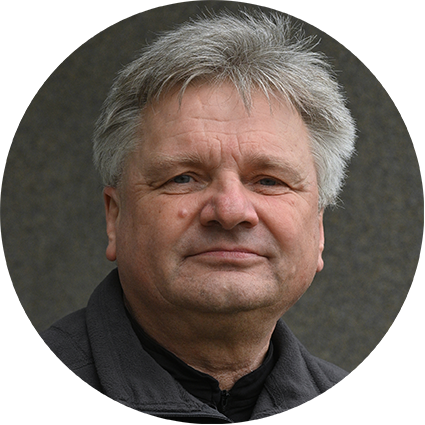
prof. MVDr. Ivo Pavlík, CSc.
Department of Area Studies
Faculty of Regional Development and International Studies
The research team under his leadership has long been studying the development of a healthy region in an era of changing leisure and recreational activities for children and adults. From an epidemiological, socio-economic and ecological perspective, current exposure health risks are analysed in the concept of "one medicine", or also the modern term "eco-health". Through the study of new and previously unrecognized reservoirs of pathogens of various diseases, preventive measures, including the development of new methods for their research, are prepared and verified.
Remember him when you…are sick
A person's health is not only determined by their genes, but also by the region in which they live
Statistics and mathematics, methods that Mendel used in his research, are also used by demographers. Thanks to systematic work and a large amount of data processed in the form of maps, they can then clearly present the results obtained. Scientists at FRDIS are involved in monitoring the health status of the population in the Czech Republic, specifically focusing on inequalities in individual regions. The quality of each individual's health is, of course, influenced by what they have inherited from their ancestors in their genes. However, health inequalities are clearly visible, describable and documentable. Differences between people from the same place of residence, with similar jobs, hobbies or eating habits may arise due to social, economic, environmental or geographical differences, among other factors.
Big cities, paradise on earth?
When the researchers pooled the hard data, they assessed the health outcomes in each district. Large cities topped the charts. The researchers explain this by more accessible medical care and by larger cities' investment in green space. Surprisingly, the Jeseník district was ranked where, although economic conditions are worse, the residents surveyed are more satisfied with their lives and health than elsewhere.
Is that your cup of tea, too?
If you too are interested in sociology and demography, come to the Department of Social Studies at the Faculty of Regional Development and International Studies, where you will be among your own.
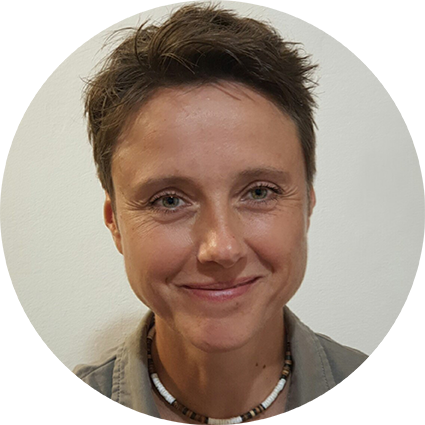
PhDr. Dana Hübelová, Ph.D.
Department of Social Studies
Faculty of Regional Development and International Studies
With her colleagues she monitors the health status of the population in the Czech Republic. The result of their two-year research is the website health-insight.eu, which presents the data on the health of the Czech population using maps. Even a layman can clearly see the differences between and within regions. The website was created for the needs of the State Institute of Health and Hygienists, but it is also used by municipal and regional authorities, ministries and others.
Remember him when you…are learning
Avoiding Teacher Burnout
Did you know that Mendel was also a teacher? In the Czech Republic, as in other countries, it is a phenomenon that graduates of pedagogical disciplines do not enter education as teachers at all, and when they do, many of them leave after a few years and change their profession completely. The reality of school life does not meet their expectations and some of them develop burnout syndrome. David Kryštof and his team are dedicated to teachers, coaching them on the ground and helping them to better understand and cope with everyday situations.
The right method
The TAPATE model is based on the psychological approach of transactional analysis. It provides concrete tools that help the teacher in teaching, in communicating with pupils and students and that support their motivation. The basis of the model is a clear agreement between the teacher and the pupil or student, based on mutual respect, which is then respected by both parties. A respectful approach by the educator generates respect from pupils and students and encourages their active involvement.
Is that your cup of tea, too?
If passing on knowledge to others is your passion, then you will be right at home at the Institute of Lifelong Learning.

Mgr. David Kryštof, Ph.D.
Institute of Lifelong Learning
David Kryštof is engaged in both research and teaching activities within the Institute of Lifelong Learning. His research focuses mainly on the use of the psychological approach of transactional analysis in education and on the method of coaching. He applies the theories in the school setting when researching teaching staff at all levels of schools. He is also collaborating with Louisiana State University, Durham University, University College of London and Leeds Trinity University on the international LADDER research, which focuses on the prevention of teacher burnout syndrome in pre-service teachers.
Remember him when you…travel and pay
Advantages and disadvantages of the euro area
For a Member State, joining the euro area means losing one of the symbols of sovereignty and identity, but also losing autonomy in the area of monetary policy. Replacing the national currency with the euro is an irreversible step. The implications of this move are complex and research in this area requires a great deal of interdisciplinarity, similar to Mendel's research. Lubor Lacina's research on the benefits and costs of membership requires the work of a team including both macro and micro economists, political scientists, marketing and business economists. The aim is to find a consensus across economic orientations and approaches in order to provide politicians and citizens with a sound basis for discussion and decisions on euro adoption.
The eurozone as a project with a genetic defect
A small open economy like the Czech Republic can function well both with its own currency and if it adopts the common currency, the euro. Joining the eurozone is therefore a purely political decision about whether we want the Czech Republic to belong to the first league of the EU, which today includes the eurozone countries, or to remain in the second league, made up of countries that continue to use their own national currencies. In view of current inflation, one of the most important arguments of the national currency advocates has fallen flat, namely low inflation. As the situation as of early 2022 shows, neither an own currency nor an autonomous monetary policy can save a small open economy from high inflation. The eurozone has suffered from a genetic flaw since its inception. It is not equipped with the common budget necessary to offset so-called asymmetric shocks - the differential impact of crises on countries sharing a common currency. Mendel would surely wonder whether it is destined for an early death or whether this genetic flaw can be corrected and its viability ensured.
Is that your cup of tea, too?
If you too are interested in European politics, finance and the Eurozone, then the Department of Finance and Accounting is the right place for you. Even Mendel did not just spend time in the greenhouse and with the bees, but was also aware of the importance of finance for the development and functioning of society. It seems almost unbelievable how many fields Mendel was able to actively pursue during his lifetime. Banking was one of them. In 1876, he became the vice-director of the Moravian Mortgage Bank. Five years later, the Provincial Assembly even elected him to the post of chief director of the Moravian Provincial Mortgage Bank.

prof. Ing. Lubor Lacina, Ph.D.
Department of Finance and Accounting
Faculty of Business and Economics
He has long been one of the few Czech economists dealing with the issue of the Czech Republic's membership in the euro area. His colleagues jokingly refer to him as one of the last living Renaissance economists because of his wide range of knowledge and economic and social context. His main subject of interest is the functioning of a small open economy in the environment of economic and political integration of the European continent and in the environment of global competition.
Remember him when you…are collecting money
They combine disciplines to better advise banks and companies
It is probably not surprising that 98% of banks in the Czech Republic are owned by foreign banks. Such interconnections are very vulnerable and, moreover, profits flow out of the country. Svatopluk Kapounek and his team focus on banking groups and how regulations and economic policies affect them. Their work draws on insights from various disciplines. They are currently working on new methods to assess the riskiness of sovereign debt and the associated uncertainty. Last but not least, they are working on asset forecasting in capital markets.
Don't be afraid to combine scientific disciplines
In their work, scientists are not afraid to combine multiple scientific disciplines and therefore live the legacy of G. J. Mendel practically every day. Mendel was not only the founder of genetics, but also the founder of the methodology of modern science. He was the first to use statistics, mathematics and physics in the natural sciences, and through this multidisciplinarity he was able to draw his conclusions from a large number of observations. In the same way, FBE scientists use not only the latest tools of econometrics but also purely technical disciplines for their work. For example, they often use frequency analysis, which was developed and is traditionally used in the field of radio engineering. They use this tool to manage risk or to predict asset prices on capital markets. Using graph theory, they have created new models to predict corporate bankruptcies within complex corporate pyramids that are interconnected by ownership. Natural language processing and machine learning methods used by computer scientists are the basis for indices of uncertainty in financial markets that can predict not only the financial distress of firms but also the effectiveness of economic policies.
Is that your cup of tea, too?
If you too are interested in the world of finance, banking and economic policy, then the Department of Finance and Accounting is the place to be.
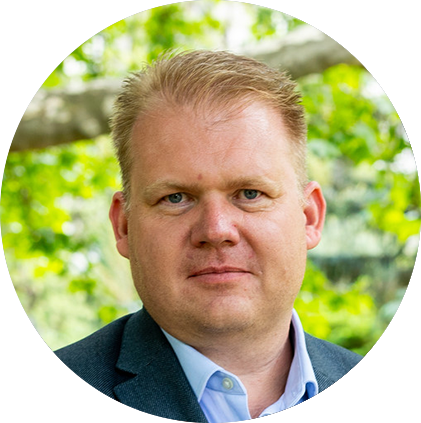
doc. Ing. Svatopluk Kapounek, Ph.D.
Department of Finance and Accounting
Faculty of Business and Economics
Svatopluk Kapounek's research interests include financial econometrics, international finance and monetary policy, corporate finance and capital markets.
Remember him when you…your flowers are wilting
Back to the roots
The root system of most field crops, sometimes called the "hidden half of the plant's metabolism", was not the target of G's observations. J. Mendel. Because of the complexity of observation and the lack of a suitable method for its evaluation, it has not been the target of historical breeding programmes either. For example, the world's most cultivated crop, sow wheat, which was domesticated about 10 000 years ago, has been systematically bred for about 200 years, but only the above-ground part has been evaluated. This offers considerable potential for the application of breeding techniques to improve the parameters of the plant root system. With increasing environmental temperature and a simultaneous change in the distribution of rainfall throughout the year, as predicted by climate models, the importance of roots as an assimilating apparatus for water and nutrients dissolved in the soil solution will increase in the future.
Is the plant root system the key to the second Green Revolution?
The headline may sound exaggerated, but most agrotechnical measures (soil cultivation, fertilisation, irrigation, etc.) for agricultural crops are carried out through the root system. The root system is thus mentioned as a possible adaptation measure in the context of reducing the negative effects of drought on the yield and quality of crop production. However, suitable phenotypes or even individual plants need to be identified for deliberate breeding. Successful selection for root system size and its use in breeding for higher aboveground biomass production has been documented in alfalfa in relation to its ability to fix airborne nitrogen by symbiotic bacteria on the roots. Also, both wheat and barley varieties with larger root system size gave higher yields in our targeted experiments and contained more assimilates (more starch in wheat and barley, and more glycide and malt extract in barley) and less nitrogen, as is usually the case under irrigation in dry conditions.
Is that your cup of tea, too?
If you want to try to "look behind the mirror", to be a visionary, to participate in research on unexplored topics, you can grow at the Department of Crop Science, Breeding and Plant Medicine of the Faculty of AgriSciences.
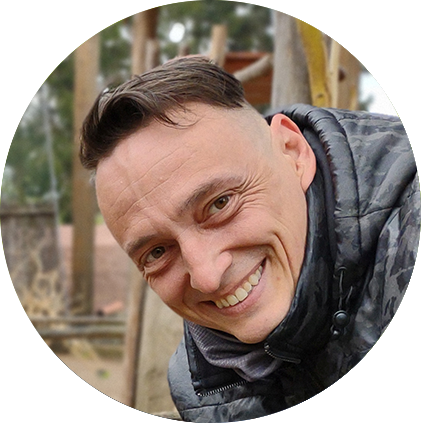
doc. Ing. Tomáš Středa, Ph.D.
Department of Crop Science, Breeding and Plant Medicine
Faculty of AgriSciences
Tomáš Středa, like Mendel, has long been devoted not only to meteorology, but also to beekeeping, and especially to the problem of plant breeding for drought tolerance.